Home › ACC Approval
In a city, the permit comes first. In most of Cypress, the Architectural Control Committee does. Here is what an ACC typically looks at, what to send, and the one Texas statute that limits what it can refuse.
Master-planned communities like Bridgeland, Towne Lake and Cypress Creek Lakes, and older ones like Copperfield and Fairfield, have deed restrictions that give a committee, usually called the Architectural Control Committee or Architectural Review Committee, the power to approve exterior changes. In the newest villages the developer often still controls it; in older ones, homeowner volunteers and a management company run it.
The committee’s job is appearance and consistency. It does not inspect workmanship, and its approval is not a statement that the work was done well. That is what the other two checks, the warranty and the written scope, are for.
Guidelines differ from one community to the next, and sometimes from one village to the next inside the same master plan. This site does not describe any specific community’s rules; read yours, or ask its management company for the current version.
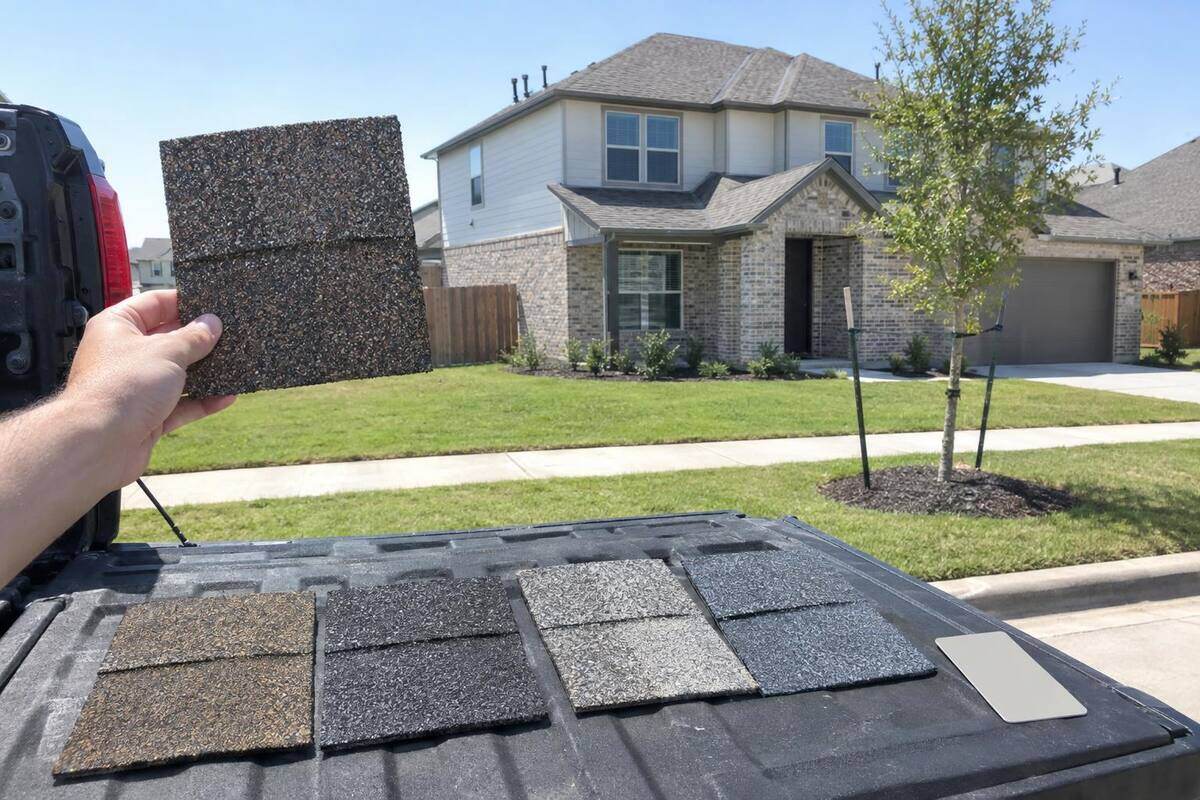
Texas Property Code section 202.011 says a property owners’ association may not prohibit or restrict shingles designed primarily to be wind and hail resistant, to provide better heating and cooling efficiency than customary composite shingles, or to provide solar generation, provided that once installed they resemble the shingles used or authorized in the subdivision, are more durable than and of equal or better quality than those shingles, and match the aesthetics of the surrounding properties.
In practice: an ACC can still hold you to an appearance and color, but it cannot turn down an impact-rated shingle simply because it is impact-rated. How the shingle grades compare
The contractor you are connected with can supply the product sheet, color name and written scope your ACC will ask for.
 Cypress Roofing